

Shopify SEO: The Ultimate Guide to Optimizing
Your Store for Organic Growth and Higher Rankings

Building a Shopify store is just the first step toward establishing an online business. However, no matter how great your products or design may be, without proper Shopify SEO, your store may remain invisible to potential customers. SEO for Shopify ensures your website ranks well on search engines like Google, driving organic traffic, increasing conversions, and ultimately boosting sales.

This comprehensive guide will walk you through the crucial steps of optimizing your Shopify store. From technical SEO and on-page optimizations to content strategies and link-building techniques, this guide covers everything you need to know about improving your store’s visibility in search engine results.

We are Available on Email!
Call Icon Email Us Now!
Background

Why Shopify SEO is Crucial for Your Business

When running a Shopify store, SEO is an essential strategy that helps drive traffic to your site without relying on paid ads. SEO for Shopify is crucial for ensuring your store ranks on search engines, becomes discoverable by your target audience, and stands out from the competition. Below are some key reasons why Shopify SEO is critical for your business:

Boost Your Organic Traffic

Organic traffic is one of the most valuable types of website traffic. Visitors who find your site through search engine results are typically already interested in the products you offer. They are searching for a solution to their problem, and your product may be exactly what they need. By implementing effective Shopify SEO, you’ll ensure that your products and services are discoverable, bringing in visitors who are more likely to convert.

Cost-Effective Marketing

While paid ads can quickly generate traffic, they are not sustainable in the long run. The moment you stop investing in paid campaigns, your traffic stops too. On the other hand, Shopify SEO is a cost-effective long-term strategy. Once your store ranks for targeted keywords, you can continue attracting organic traffic without paying for each visitor. Over time, this reduces the cost of customer acquisition.

Build Trust and Authority

Search engine rankings are directly tied to credibility. Stores that appear on the first page of Google are generally perceived as more trustworthy by potential customers. By implementing Shopify SEO, you help establish your store as an authoritative source in your industry. When your website ranks high in search results, it boosts your brand’s trustworthiness, making customers more likely to click through and make purchases.

Better User Experience

Google’s algorithms reward websites that offer a positive user experience. Shopify SEO optimizes your store for speed, mobile use, and ease of navigation, all of which lead to better user engagement. A fast, easy-to-navigate, mobile-friendly site improves the customer experience and helps reduce bounce rates. When users can find what they need quickly and without hassle, they’re more likely to convert.

Want to Discuss?
Call Icon Call Us Now!
Background

Key Elements of Shopify SEO

To successfully optimize your Shopify store, there are multiple components you need to focus on. These include technical SEO, on-page optimization, content creation, and link-building strategies. Here’s a breakdown of each key element:

Technical Shopify SEO

Technical SEO is the foundation of Shopify SEO. It ensures that your store is properly structured for search engines, making it easier for them to crawl, index, and rank your pages.

Site Architecture and Navigation

A well-organized site architecture is essential. Your store’s structure should be easy for both users and search engines to navigate. Categories and subcategories should be clearly defined, making it easier for both customers and Google to understand the layout of your store.

Page Speed Optimization

Google considers page speed a ranking factor. Slow-loading pages negatively impact both user experience and SEO. To improve your Shopify store’s speed:

Mobile Optimization

As mobile usage continues to rise, Google has adopted mobile-first indexing. This means your mobile site’s performance is taken into account when determining rankings. Ensure your Shopify store is fully mobile-optimized:

SSL Certificate (HTTPS)

Google gives preference to secure websites. Installing an SSL certificate (which changes your website from HTTP to HTTPS) ensures that your customer’s data is encrypted. SSL not only boosts your SEO but also builds customer trust.

Structured Data (Schema Markup)

Schema markup is a form of structured data that helps search engines understand the content of your website more effectively. By adding schema markup to product pages, you can enhance search results with additional information like product prices, availability, and reviews.

On-Page Shopify SEO

On-page SEO refers to all the content and elements on your Shopify store that directly affect its ranking. Here are the most important aspects of on-page SEO:

Title Tags and Meta Descriptions

Each page on your Shopify store should have a unique title tag and meta description:

Product Descriptions

Unique, keyword-rich product descriptions are essential for Shopify SEO. Avoid using generic descriptions from suppliers. Instead, focus on writing descriptions that highlight the benefits of the product, address common customer questions, and incorporate targeted keywords.

Header Tags (H1, H2, H3)

Header tags help search engines understand the structure of your page. The H1 tag should contain your primary keyword and be used for the page’s main title. Use H2 and H3 tags to break up content into readable sections, improving both user experience and SEO.

Alt Text for Images

Search engines can’t interpret images on their own, so they rely on alt text. Make sure each image on your Shopify store has descriptive alt text that includes relevant keywords. This helps search engines understand what the image is about and can also improve your ranking for image search queries.

Internal Linking

Internal links connect various pages within your store, helping search engines understand the relationship between pages. By linking related products, blog posts, and category pages, you can improve the flow of link equity throughout your site, boosting SEO.

We are Responsive
Call Icon Contact Us!
Background

Content Strategy for Shopify SEO

Content is a cornerstone of Shopify SEO. Creating high-quality, keyword-optimized content will help improve your rankings, attract more organic traffic, and engage potential customers.

Building Backlinks for Shopify SEO

Backlinks are an essential ranking factor for Shopify SEO. High-quality backlinks from authoritative websites signal to search engines that your store is trustworthy and relevant. Here are three effective ways to build backlinks:

Guest Posting

Guest posting is a great way to build backlinks and increase visibility for your Shopify store. Find reputable blogs or websites in your niche and offer to write guest posts in exchange for a backlink to your site.

Industry Directories

Industry-specific directories are excellent for building backlinks and improving your store’s visibility. Ensure the directories you submit to are reputable and relevant to your industry to gain quality backlinks.

Broken Link Building

Broken link building involves finding broken links on authoritative websites and offering your content as a replacement. This strategy benefits both you and the website owner, helping them fix broken links while you gain high-quality backlinks to your Shopify store.

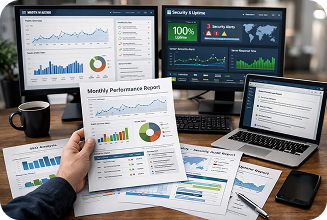
Shopify SEO Analytics and Tracking

To measure the effectiveness of your Shopify SEO efforts, it’s essential to track key metrics. Here’s how to do it:

By regularly reviewing these metrics, you can refine your strategy and optimize your store for better results.

Conclusion

Optimizing your Shopify store for SEO is essential for driving more traffic, improving your rankings, and increasing sales. By focusing on technical SEO, on-page optimization, content strategy, and backlink building, you can ensure your store stands out from the competition and gets discovered by more customers.

Shopify SEO is a long-term commitment, but the results will be worth it. As you implement the strategies outlined in this guide, you’ll be on your way to creating a store that not only ranks higher in search results but also converts more visitors into loyal customers.

Our Reviews

4.9
Star Star Star Star Star
198 reviews
Instant WhatsApp Support
Call Icon Chat Now!
Background

Frequently Asked
Questions?

Q1: What is Shopify SEO and why is it important?

Shopify SEO refers to the process of optimizing your Shopify store to rank higher in search engine results. It’s important because it drives organic traffic, reduces reliance on paid ads, and increases sales by ensuring your products are discoverable by customers searching for relevant keywords.

Shopify SEO focuses on platform-specific optimizations, such as improving Shopify URL structures, managing product pages, and Shopify themes, whereas general SEO applies to any website. Shopify SEO ensures that your store is optimized for both search engines and users on the Shopify platform.

Compress images, reduce unnecessary apps, and minimize JavaScript to improve your page speed. Also, use a Content Delivery Network (CDN) to deliver content faster by using servers closer to users.

Backlinks are links from other websites to your store. They signal to Google that your content is valuable and trustworthy. Quality backlinks improve your authority, which can help boost your rankings.

Use Google Analytics and Google Search Console to monitor your rankings, track impressions, and check for any SEO-related issues on your site.

SEO is a long-term strategy. It typically takes a few months to see noticeable improvements in rankings, traffic, and sales. However, once your site starts ranking for the right keywords, the benefits will continue to grow.

Yes, Shopify SEO can help you reach international customers by optimizing for location-based keywords and adding international shipping options to your site.

Mobile optimization is crucial. Google uses mobile-first indexing, so if your store isn’t mobile-friendly, it can hurt your rankings and user experience.

Regularly monitor your traffic, keyword rankings, and conversions. Tools like Google Analytics and Google Search Console will give you insights into how well your SEO strategies are performing and help identify areas for improvement.